What are the applications of the Discovery? - Science And Technology | UPSC Learning
Topics
0 topics • 0 completed
🔍
No topics match your search
What are the applications of the Discovery?
Medium⏱️ 8 min read
science and technology
📖 Introduction
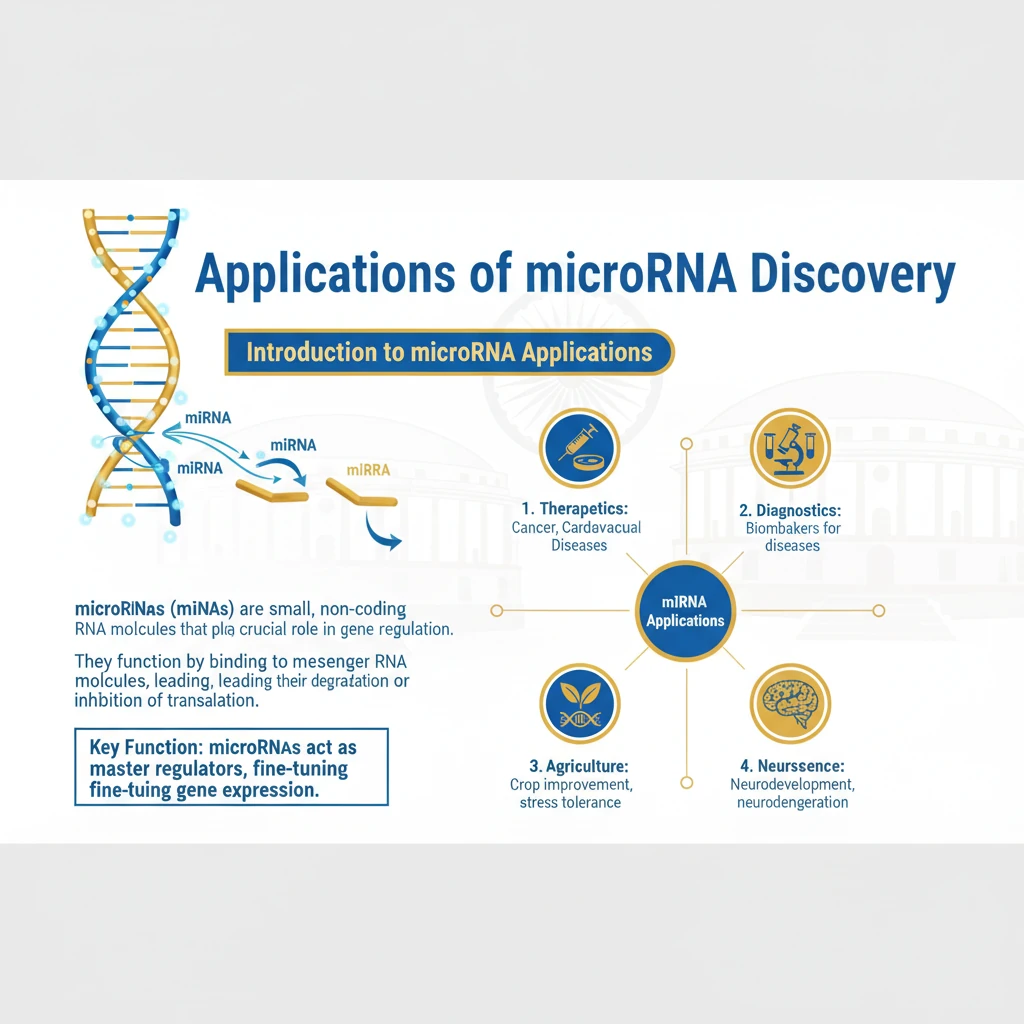
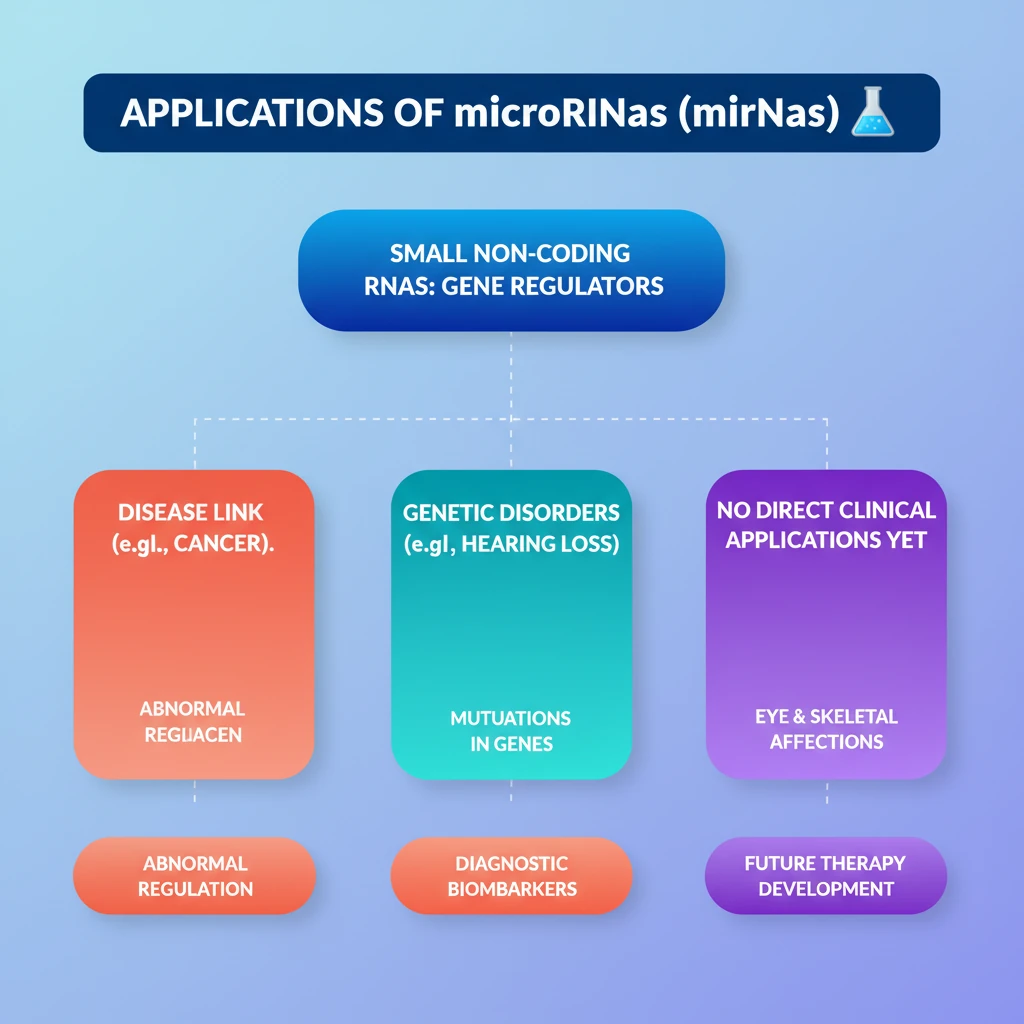
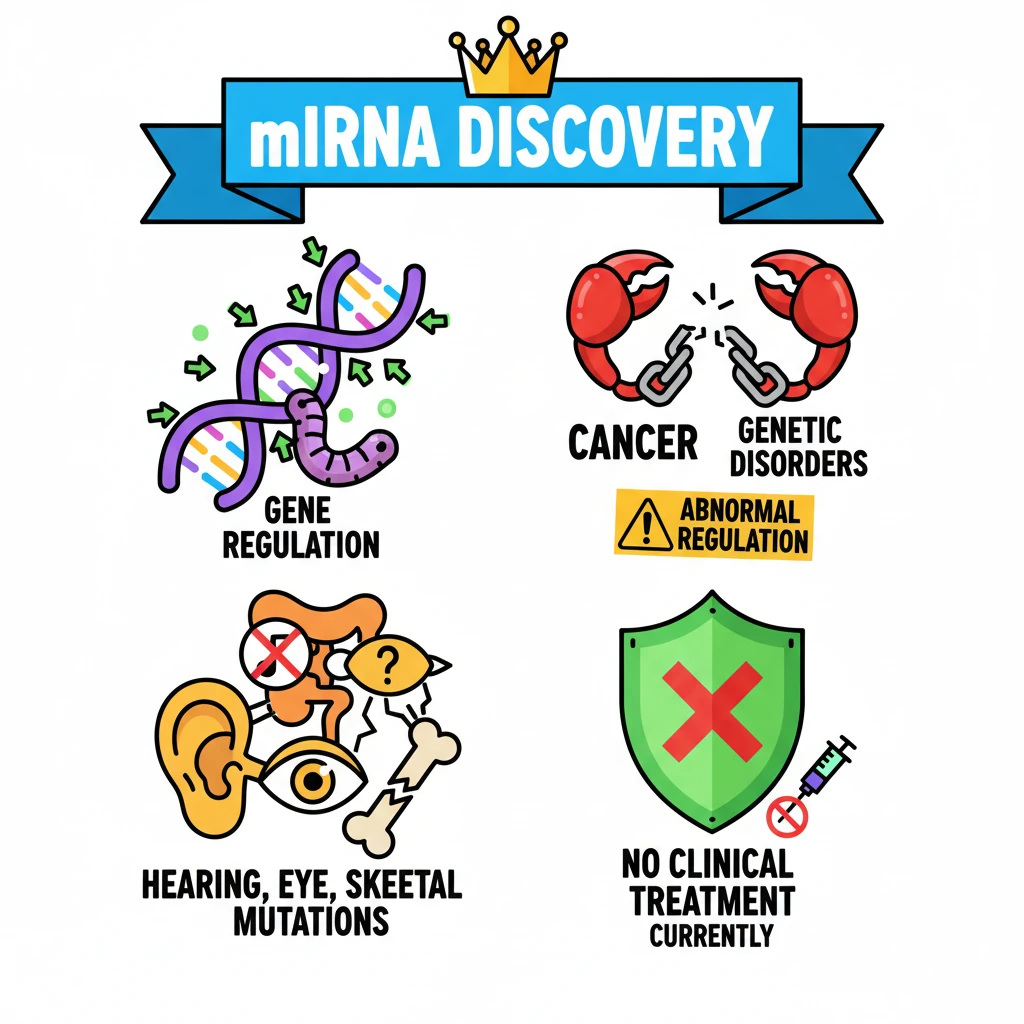
<h4>Introduction to microRNA Applications</h4><p><strong>microRNAs (miRNAs)</strong> are small, non-coding RNA molecules that play a crucial role in <strong>gene regulation</strong>. They function by binding to messenger RNA (mRNA) molecules, leading to their degradation or inhibition of translation. This intricate control mechanism impacts various cellular processes.</p><div class='info-box'><p><strong>Key Function:</strong> <strong>microRNAs</strong> act as master regulators, fine-tuning the expression of hundreds of genes, thereby influencing cell growth, differentiation, and programmed cell death.</p></div><h4>Abnormal Regulation and Diseases</h4><p>Disruptions in the normal regulation of <strong>microRNAs</strong> can have significant pathological consequences, contributing to the development and progression of various diseases. Understanding these abnormalities is key to uncovering potential therapeutic targets.</p><h5>Cancer Development</h5><p><strong>Abnormal microRNA regulation</strong> is a well-established factor in the initiation and progression of <strong>cancer</strong>. Specific <strong>miRNAs</strong> can act as either <strong>oncogenes</strong> (promoting cancer) or <strong>tumor suppressors</strong> (inhibiting cancer), depending on their target genes and cellular context.</p><div class='key-point-box'><p>Many research efforts are focused on identifying <strong>miRNA biomarkers</strong> for early cancer detection and prognosis, as well as developing <strong>miRNA-based therapies</strong>.</p></div><h5>Genetic Mutations and Disorders</h5><p><strong>Mutations</strong> within <strong>microRNA genes</strong> themselves, or in the machinery responsible for their processing, have been directly linked to a range of inherited human conditions. These genetic alterations can lead to severe developmental and functional impairments.</p><ul><li><strong>Hearing Loss:</strong> Specific <strong>miRNA gene mutations</strong> are implicated in certain forms of congenital hearing impairment.</li><li><strong>Eye Disorders:</strong> Altered <strong>miRNA function</strong> due to mutations can contribute to various ocular diseases affecting vision.</li><li><strong>Skeletal Disorders:</strong> Defects in <strong>microRNA pathways</strong> have been associated with abnormalities in bone development and structure.</li></ul><h4>Future Potential and Challenges</h4><p>While the role of <strong>microRNAs</strong> in disease is extensively studied and their potential is immense, it is crucial to note that there are <strong>currently no direct clinical applications</strong> readily available for patient treatment based solely on <strong>microRNA modulation</strong>.</p><div class='exam-tip-box'><p><strong>UPSC Insight:</strong> Questions on emerging biotechnologies often focus on both their <strong>potential applications</strong> and the <strong>challenges/ethical considerations</strong>. Be prepared to discuss both the promise and the current limitations of <strong>microRNA therapeutics</strong>.</p></div><p>Further extensive <strong>research</strong> and a deeper, more comprehensive understanding of the complex regulatory networks involving <strong>microRNAs</strong> are absolutely necessary. This foundational work will pave the way for their eventual translation into effective clinical interventions.</p>
💡 Key Takeaways
- •microRNAs (miRNAs) are small non-coding RNAs crucial for gene regulation.
- •Abnormal microRNA regulation is linked to diseases like cancer and genetic disorders.
- •Mutations in microRNA genes can cause conditions such as hearing loss, eye, and skeletal disorders.
- •Currently, there are no direct clinical applications of microRNAs for treatment.
- •Extensive research is ongoing to understand microRNAs better and develop future clinical applications.
🧠 Memory Techniques
95% Verified Content
📚 Reference Sources
•General scientific literature on microRNAs and their role in disease