Archaeological Discoveries - History | UPSC Learning
Topics
0 topics • 0 completed
🔍
No topics match your search
Archaeological Discoveries
Medium⏱️ 8 min read
history
📖 Introduction
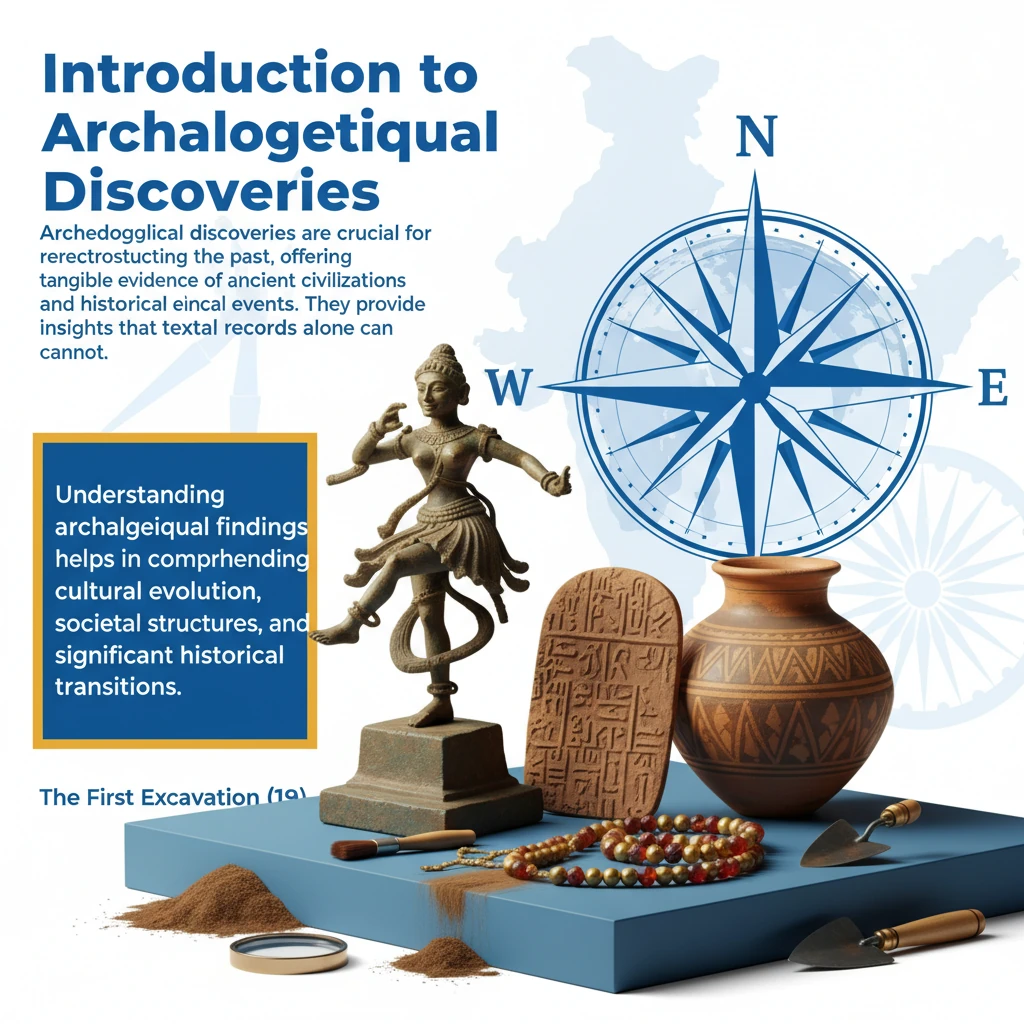
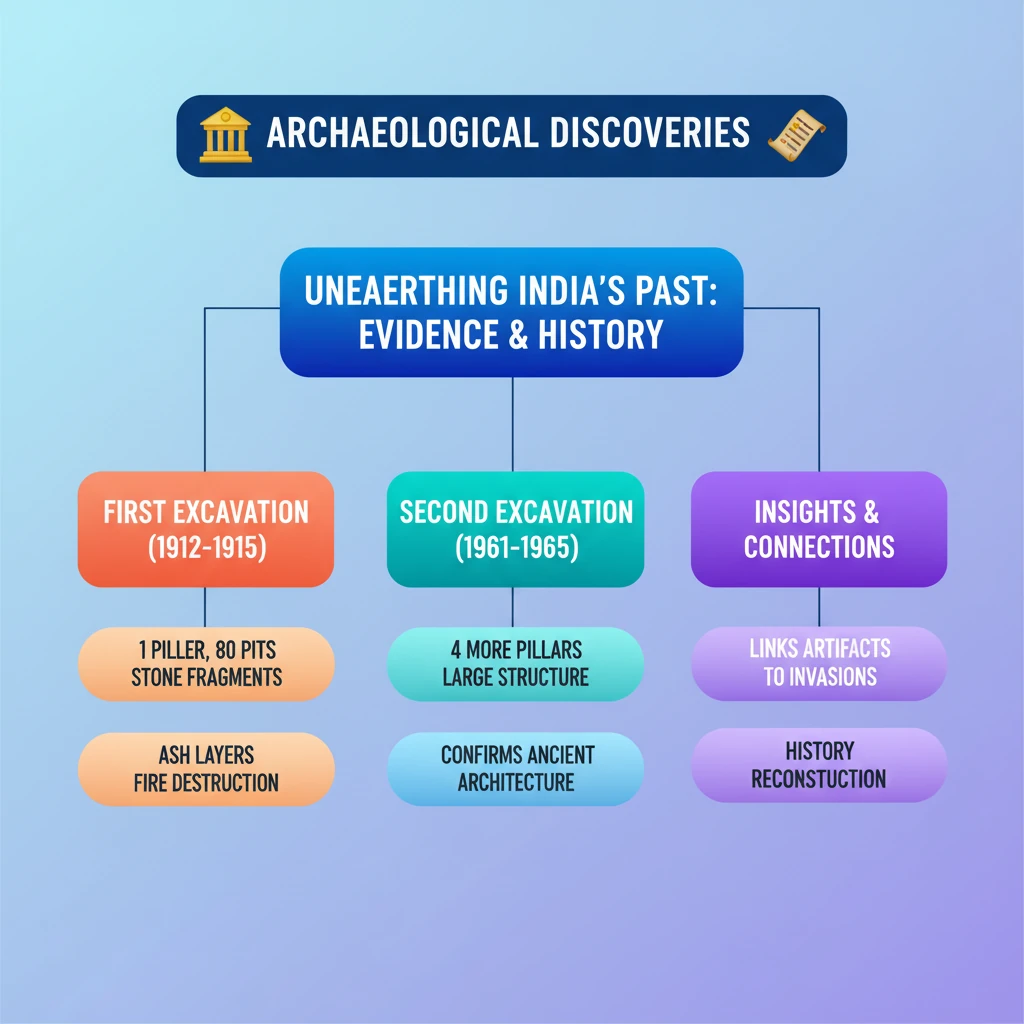
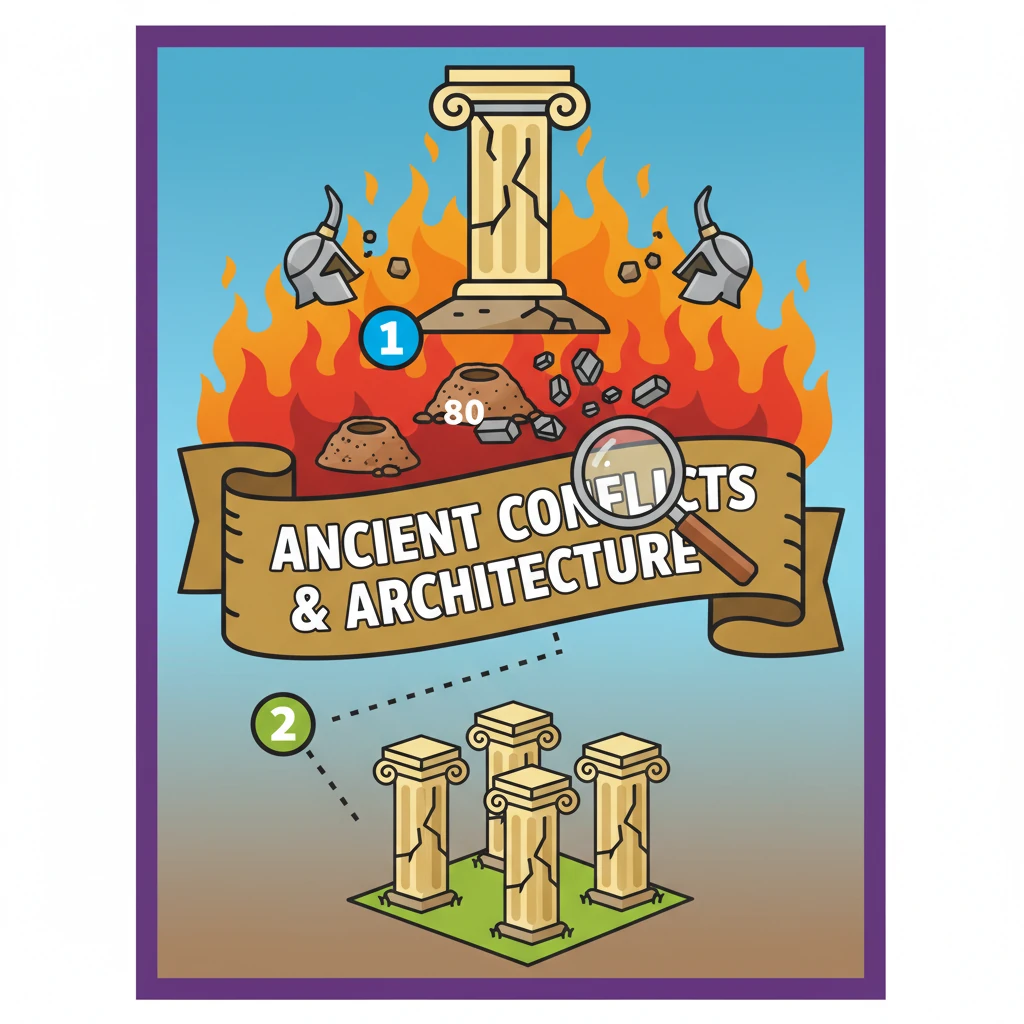
<h4>Introduction to Archaeological Discoveries</h4><p><strong>Archaeological discoveries</strong> are crucial for reconstructing the past, offering tangible evidence of ancient civilizations and historical events. They provide insights that textual records alone cannot.</p><div class='key-point-box'><p>Understanding <strong>archaeological findings</strong> helps in comprehending cultural evolution, societal structures, and significant historical transitions.</p></div><h4>The First Excavation (1912-1915)</h4><p>The initial phase of excavation, conducted between <strong>1912</strong> and <strong>1915</strong>, yielded significant insights into an ancient site. This pioneering work laid the groundwork for further understanding.</p><div class='info-box'><p>Key findings from the <strong>first excavation</strong> included:</p><ul><li>One <strong>intact pillar</strong>, suggesting a grand architectural structure.</li><li><strong>80 pits</strong>, clearly marking the original placement of other pillars, indicating a large hall or temple.</li><li>Various <strong>stone fragments</strong>, providing clues about the building materials and decorative elements used.</li></ul></div><h4>Evidence of Destruction by Fire</h4><p>A critical discovery during these excavations was the presence of distinct <strong>ash layers</strong>. These layers strongly suggested that the site had suffered extensive destruction by fire at some point in its history.</p><div class='key-point-box'><p>The presence of <strong>ash layers</strong> is a direct indicator of catastrophic events, often linked to conflict or natural disaster, providing a narrative of the site's demise.</p></div><p>The destruction by fire is hypothesized to have occurred during periods of significant upheaval. Two primary historical events are considered as potential causes for this devastation.</p><div class='info-box'><p>Potential periods of destruction include:</p><ul><li>The <strong>Indo-Greek invasion</strong>, which saw significant military campaigns and territorial shifts in ancient India.</li><li>Later <strong>Huna invasions</strong>, known for their destructive impact on various regions and settlements.</li></ul></div><h4>The Second Excavation (1961-1965)</h4><p>Decades later, a second, more extensive excavation was undertaken from <strong>1961</strong> to <strong>1965</strong>. This phase aimed to uncover more about the site and corroborate earlier findings.</p><div class='info-box'><p>The <strong>second excavation</strong> successfully unearthed <strong>four additional pillars</strong>. These new discoveries further supported the hypothesis of a substantial ancient structure and provided more context to the initial findings.</p></div><div class='exam-tip-box'><p>For UPSC, remember to link specific archaeological findings (like <strong>ash layers</strong> or <strong>pillar pits</strong>) to broader historical narratives (e.g., impact of <strong>invasions</strong>). This demonstrates analytical depth.</p></div>
💡 Key Takeaways
- •First excavation (1912-1915) found one intact pillar, 80 pits, and stone fragments.
- •Ash layers indicated destruction by fire, possibly during Indo-Greek or Huna invasions.
- •Second excavation (1961-1965) unearthed four more pillars, confirming a large structure.
- •Archaeological evidence provides crucial insights into ancient conflicts and architectural practices.
- •Linking physical finds (ash, pillars) to historical events (invasions) is key to historical reconstruction.
🧠 Memory Techniques
95% Verified Content
📚 Reference Sources
•Standard textbooks on Ancient Indian History (e.g., R.S. Sharma, Upinder Singh)
•Archaeological Survey of India (ASI) reports (general knowledge base)