Wooden Artifacts of Stone Age - History | UPSC Learning
Topics
0 topics • 0 completed
🔍
No topics match your search
Wooden Artifacts of Stone Age
Medium⏱️ 6 min read
history
📖 Introduction
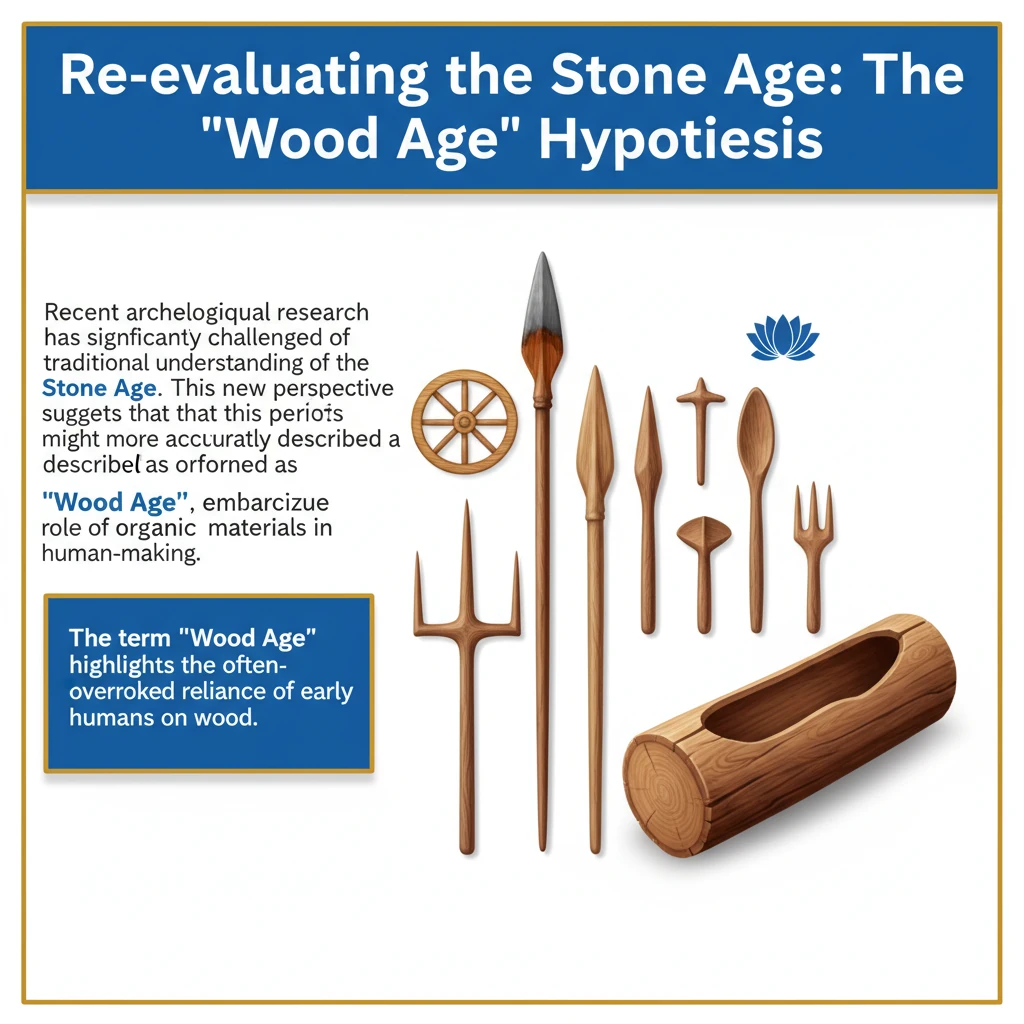
<h4>Re-evaluating the Stone Age: The 'Wood Age' Hypothesis</h4><p>Recent archaeological research has significantly challenged the traditional understanding of the <strong>Stone Age</strong>. This new perspective suggests that this period might be more accurately described as the <strong>'Wood Age'</strong>, emphasizing the crucial role of organic materials in early human tool-making.</p><div class='key-point-box'><p>The term <strong>'Wood Age'</strong> highlights the often-overlooked reliance of prehistoric humans on <strong>wood</strong> for tools and other artifacts, a material that rarely survives in the archaeological record compared to stone.</p></div><h4>Discovery in Schöningen, Germany</h4><p>This re-evaluation is largely driven by groundbreaking discoveries made in <strong>Schöningen, Germany</strong>. Archaeologists unearthed a remarkable collection of well-preserved wooden artifacts at this site.</p><div class='info-box'><ul><li><strong>Location:</strong> Schöningen, Germany 🇩🇪</li><li><strong>Age:</strong> Dating back approximately <strong>300,000 to 400,000 years</strong>.</li><li><strong>Significance:</strong> These findings provide direct evidence of sophisticated wooden tool technology from the <strong>Lower Palaeolithic period</strong>.</li></ul></div><p>The artifacts from Schöningen include spears and other implements, demonstrating advanced woodworking skills and strategic hunting techniques by early hominins.</p><h4>Discovery in Ghugwa, Madhya Pradesh, India</h4><p>Further supporting this revised view is the discovery of prehistoric artifacts at <strong>Ghugwa, Madhya Pradesh</strong>, in India. This site provides evidence of ancient human-gatherers utilizing a different type of organic material.</p><div class='info-box'><ul><li><strong>Location:</strong> Ghugwa, Madhya Pradesh, India 🇮🇳</li><li><strong>Material:</strong> Tools fashioned from <strong>fossil wood</strong>.</li><li><strong>Age:</strong> Estimated to be over <strong>10,000 years old</strong>.</li><li><strong>Tool Types:</strong> Comprising <strong>mid-sized flakes</strong> and <strong>microliths</strong>, found alongside other stone tools.</li></ul></div><p>The use of fossil wood, which is more durable than fresh wood, allowed these tools to survive, offering rare insights into the material culture of the <strong>Mesolithic period</strong> in India.</p><div class='exam-tip-box'><p>UPSC often asks about new archaeological findings and their implications. Understanding sites like <strong>Schöningen</strong> and <strong>Ghugwa</strong> is crucial for questions on <strong>Palaeolithic</strong> and <strong>Mesolithic</strong> cultures and the evolution of human technology.</p></div>
💡 Key Takeaways
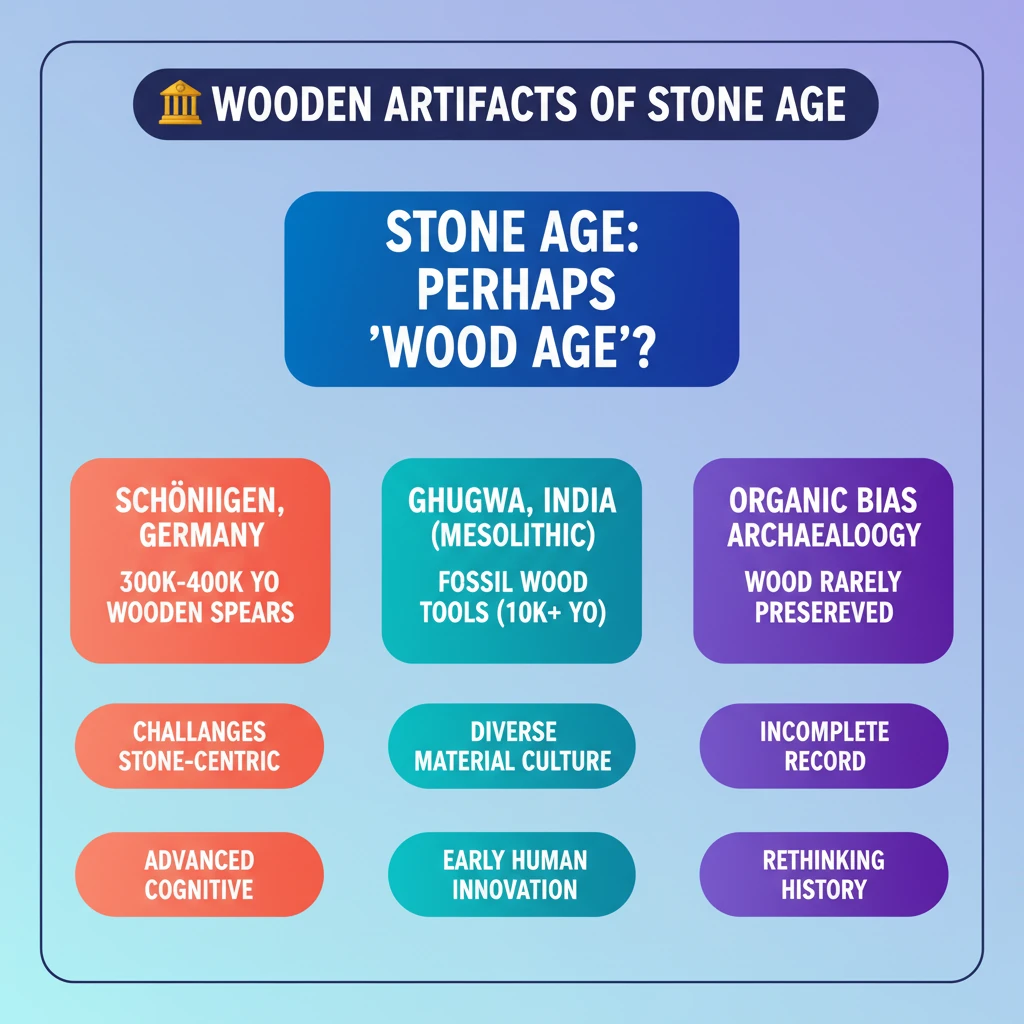
- •The 'Stone Age' may be more accurately termed the 'Wood Age' due to widespread use of wood.
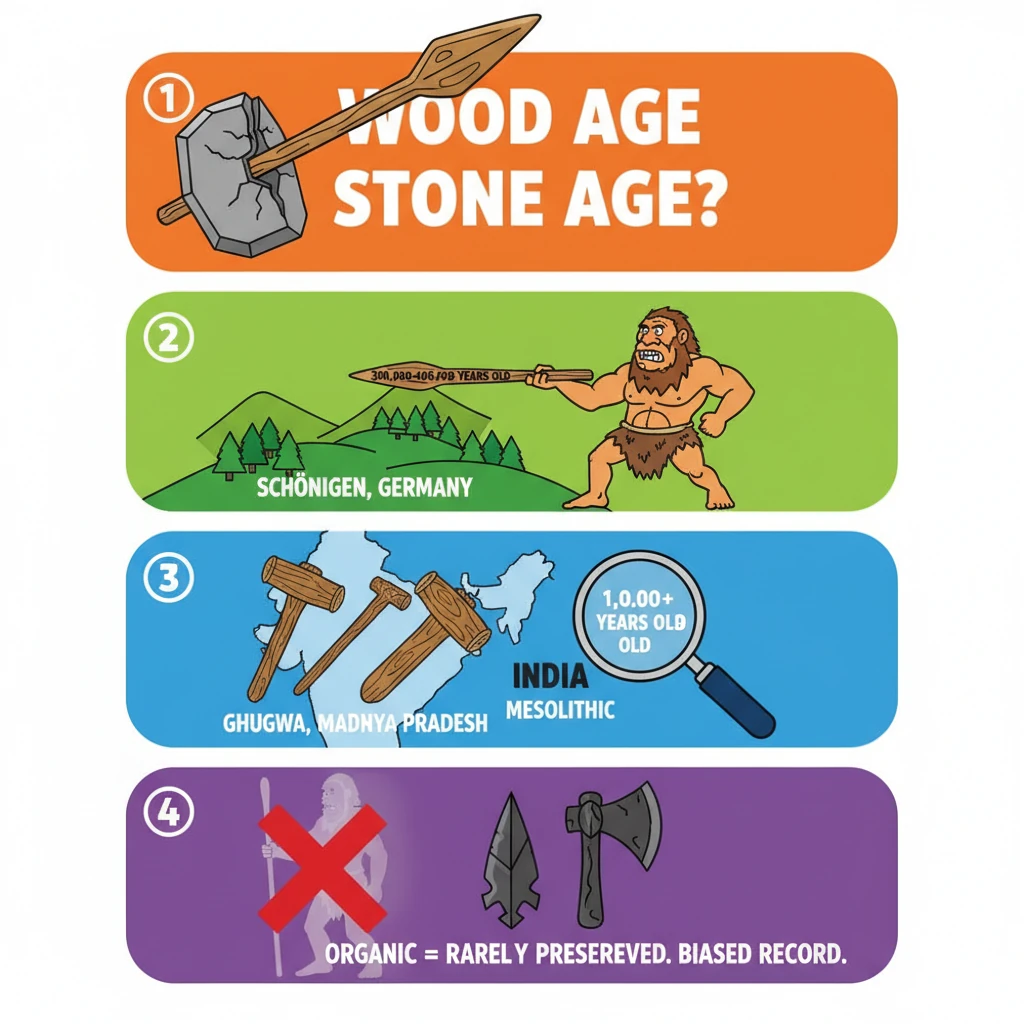
- •Discoveries in Schöningen, Germany (300,000-400,000 years old wooden spears) challenge stone-centric views.
- •Ghugwa, Madhya Pradesh, India, shows use of fossil wood tools (over 10,000 years old) in Mesolithic period.
- •Organic materials like wood were crucial but rarely preserved, leading to a biased archaeological record.
- •These findings highlight advanced cognitive abilities and diverse material culture of early humans.
- •Modern archaeology requires interdisciplinary approaches to uncover and preserve perishable artifacts.
🧠 Memory Techniques
95% Verified Content
📚 Reference Sources
•Academic archaeological research on Schöningen (e.g., publications by J. Richter, N. Conard)
•Academic archaeological research on Ghugwa (e.g., relevant journal articles on Indian Mesolithic)