What are the Key Findings of the Study? - Geography | UPSC Learning
Topics
0 topics • 0 completed
🔍
No topics match your search
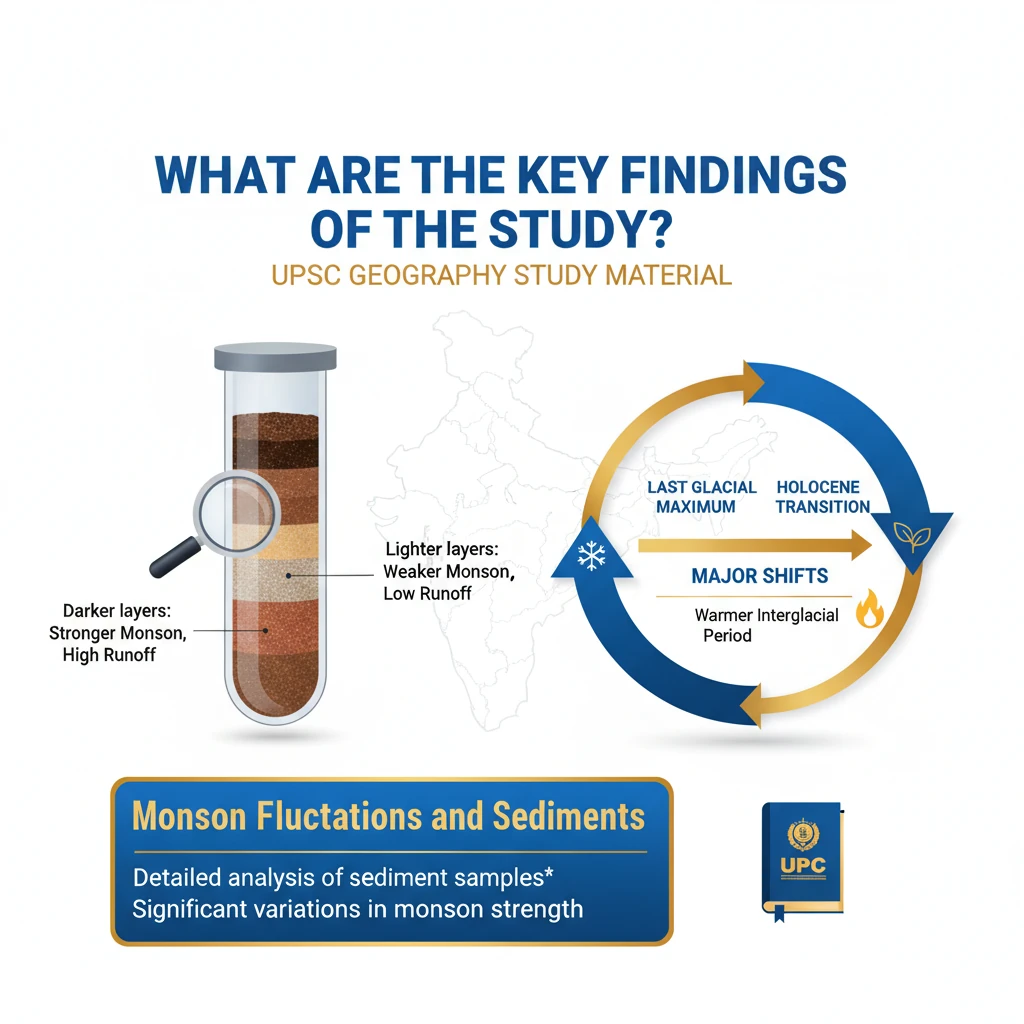
What are the Key Findings of the Study?
Medium⏱️ 6 min read
geography
📖 Introduction
<h4>Impact on Fauna and Gymnosperms</h4><p>The <strong>Deccan Volcanism</strong>, a period of intense volcanic activity, significantly contributed to a <strong>mass extinction</strong> event. This catastrophic period led to the demise of various animal species, most notably the <strong>dinosaurs</strong>.</p><p>Beyond the faunal impact, the volcanism also caused a widespread extinction among certain plant groups, specifically <strong>gymnosperms</strong>. Their populations were severely affected, indicating a broad ecological disturbance.</p><h4>Support for Angiosperms and Tropical Flora</h4><p>Interestingly, despite the widespread destruction, the <strong>Deccan Volcanism</strong> did not lead to a general floral extinction. Instead, it played a crucial role in supporting a <strong>hyper-diverse tropical flora</strong>.</p><div class='key-point-box'><p>This volcanic activity created <strong>fertile, undisturbed habitats</strong>. These new environments proved highly beneficial for the proliferation and diversification of <strong>angiosperms</strong>, which are flowering plants.</p></div><h4>Climatic Factors for Floral Diversity</h4><p>Several environmental conditions during this period fostered the thriving of tropical flora. A prevailing <strong>warm, humid climate</strong> during the volcanic activity was a key factor.</p><p>Furthermore, the geological movement of the <strong>Indian Plate</strong> through the <strong>equator</strong> provided ideal conditions. This equatorial passage ensured consistent warmth and moisture, contributing significantly to floral diversity.</p><h4>Global and Regional Implications of K-Pg Extinction</h4><p>The <strong>Deccan Volcanism</strong> is recognized as a major contributing factor to the <strong>Cretaceous-Paleogene (K-Pg) mass extinction</strong>, which occurred approximately <strong>66 million years ago</strong>. This event had profound global consequences.</p><div class='info-box'><p>Globally, the <strong>K-Pg mass extinction</strong> culminated in the widespread disappearance of groups like <strong>ammonoids</strong> (invertebrate cephalopods) and <strong>dinosaurs</strong>, reshaping the planet's biodiversity.</p></div><p>However, a distinct regional pattern emerged. The <strong>tropical rainforests</strong> situated on the <strong>Indian Plate</strong> demonstrated remarkable resilience. They successfully adapted to the climatic stresses and continued to thrive.</p><div class='exam-tip-box'><p>This finding highlights the <strong>higher resilience of tropical flora</strong> to significant climatic disturbances, a crucial insight for understanding ecosystem stability and recovery in UPSC environment questions (<strong>GS Paper 3</strong>).</p></div>
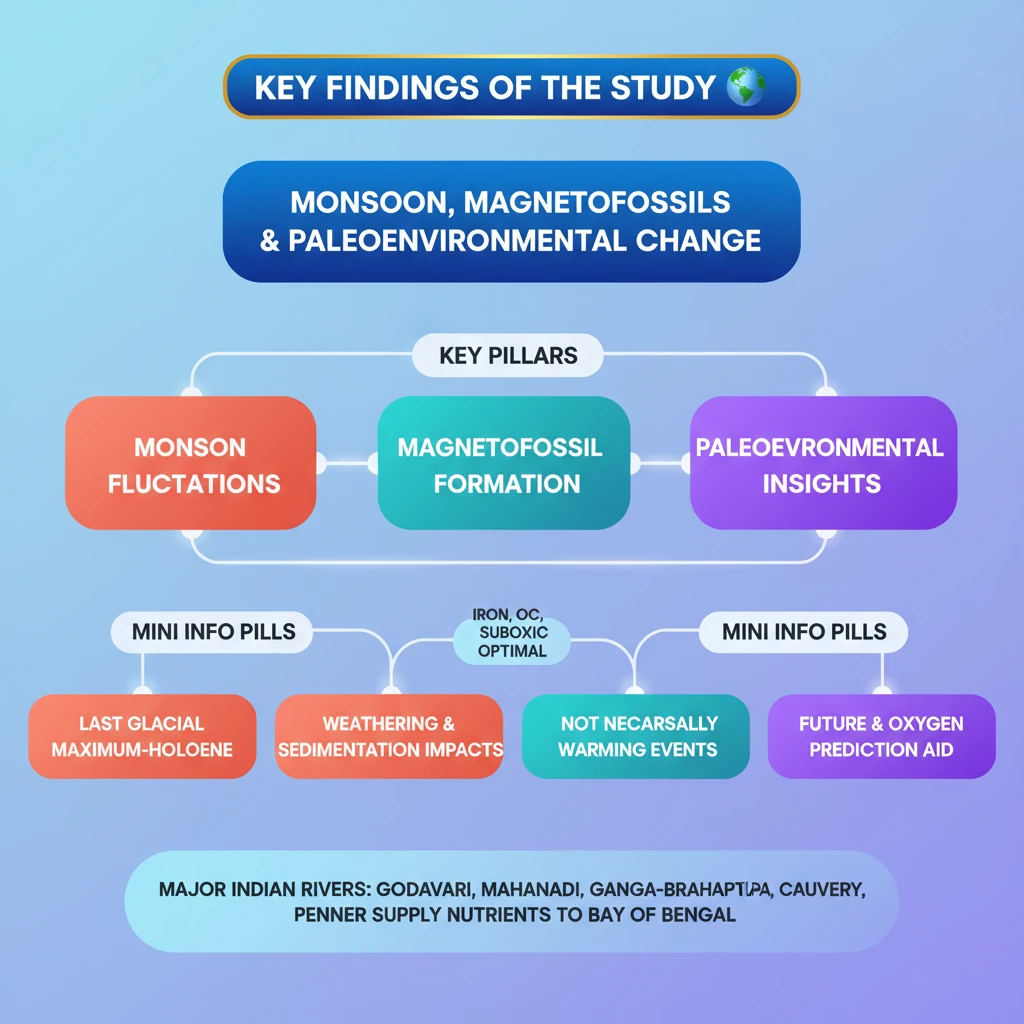
💡 Key Takeaways
- •Deccan Volcanism caused mass extinction of dinosaurs and gymnosperms.
- •It simultaneously supported hyper-diverse tropical angiosperm flora.
- •Warm, humid climate and Indian Plate's equatorial movement aided floral diversity.
- •Deccan Volcanism contributed to the global K-Pg mass extinction (66 mya) of ammonoids and dinosaurs.
- •Tropical rainforests on the Indian Plate showed high resilience to climatic stresses.
🧠 Memory Techniques
95% Verified Content