Oysters’ Antimicrobial Properties - Environment And Ecology | UPSC Learning
Topics
0 topics • 0 completed
🔍
No topics match your search
Oysters’ Antimicrobial Properties
Medium⏱️ 5 min read
environment and ecology
📖 Introduction
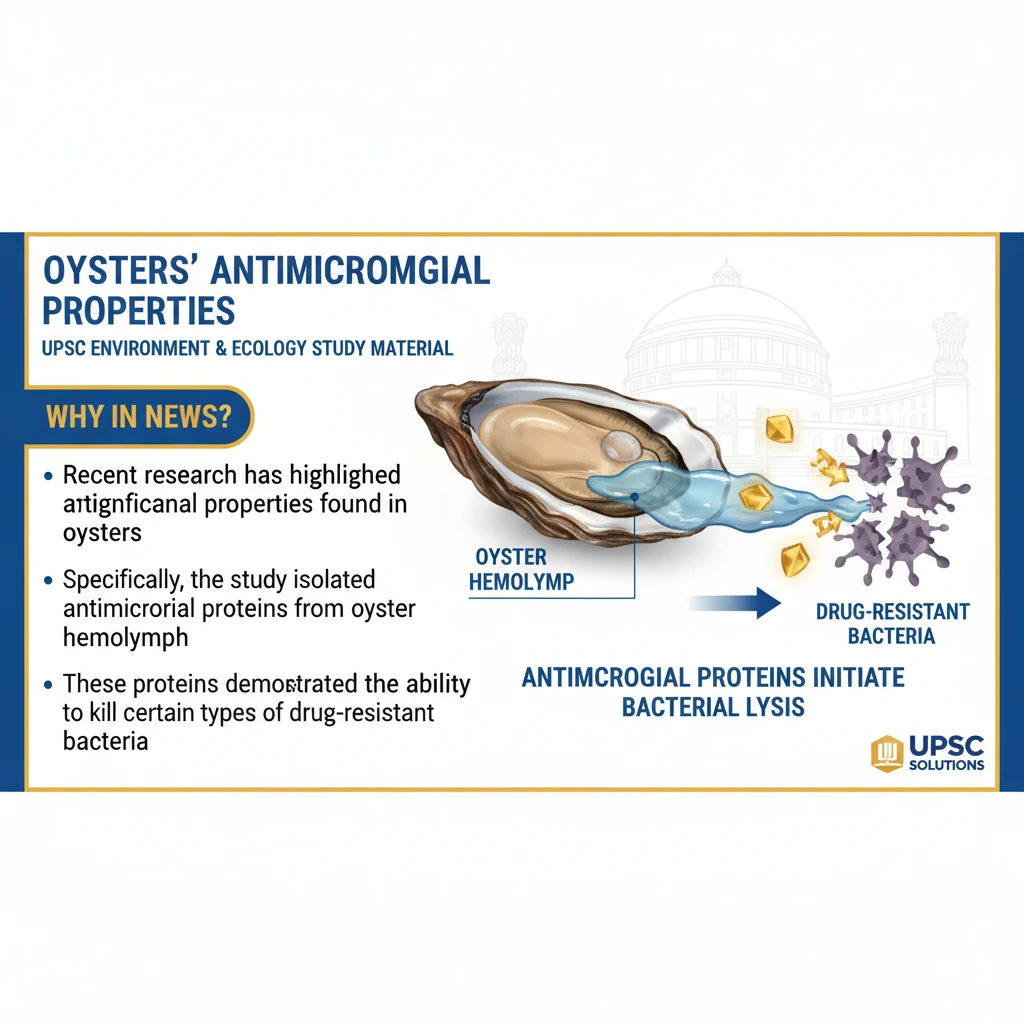
<h4>Why in News?</h4><p>Recent <strong>research</strong> has highlighted the significant <strong>antimicrobial properties</strong> found in <strong>oysters</strong>. This discovery could pave the way for novel solutions to combat growing health challenges.</p><p>Specifically, the study isolated <strong>antimicrobial proteins</strong> from <strong>oyster hemolymph</strong>. These proteins demonstrated the ability to kill certain types of <strong>drug-resistant bacteria</strong>, often referred to as 'superbugs'.</p><div class='info-box'><p><strong>Hemolymph:</strong> This is the circulatory fluid found in invertebrates, serving a similar function to blood in vertebrates. It transports nutrients, waste products, and immune cells throughout the organism.</p></div><h4>Understanding Antimicrobial Properties</h4><p><strong>Antimicrobial properties</strong> refer to the ability of a substance to kill or inhibit the growth of microorganisms, including bacteria, fungi, and viruses. Organisms like oysters naturally produce these compounds as part of their immune defense mechanisms.</p><div class='key-point-box'><p>The discovery of <strong>antimicrobial proteins (AMPs)</strong> in oysters is crucial. AMPs are a diverse group of molecules that are part of the innate immune system of most living organisms, offering broad-spectrum protection against pathogens.</p></div><h4>Implications for Drug Discovery</h4><p>The efficacy of these <strong>oyster-derived proteins</strong> against <strong>drug-resistant bacteria</strong> is particularly noteworthy. This suggests a potential new source for developing antibiotics, which are desperately needed given the global crisis of <strong>Antimicrobial Resistance (AMR)</strong>.</p><div class='exam-tip-box'><p><strong>UPSC Relevance:</strong> This topic is highly relevant for <strong>GS Paper 3 (Science and Technology)</strong> under <strong>Biotechnology</strong> and <strong>Health</strong>. Questions can focus on <strong>Antimicrobial Resistance (AMR)</strong>, novel drug discovery, and sustainable solutions from marine resources.</p></div>
💡 Key Takeaways
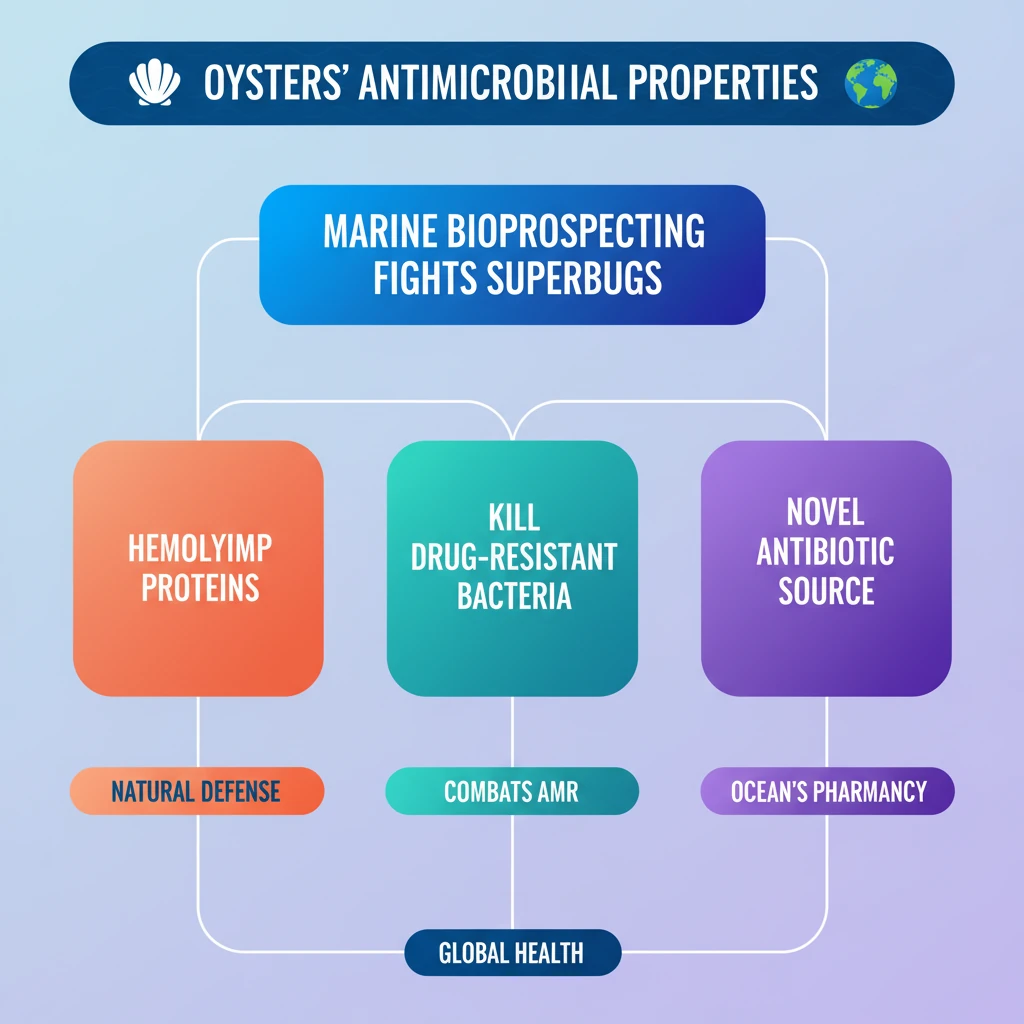
- •Oysters contain antimicrobial proteins in their hemolymph.
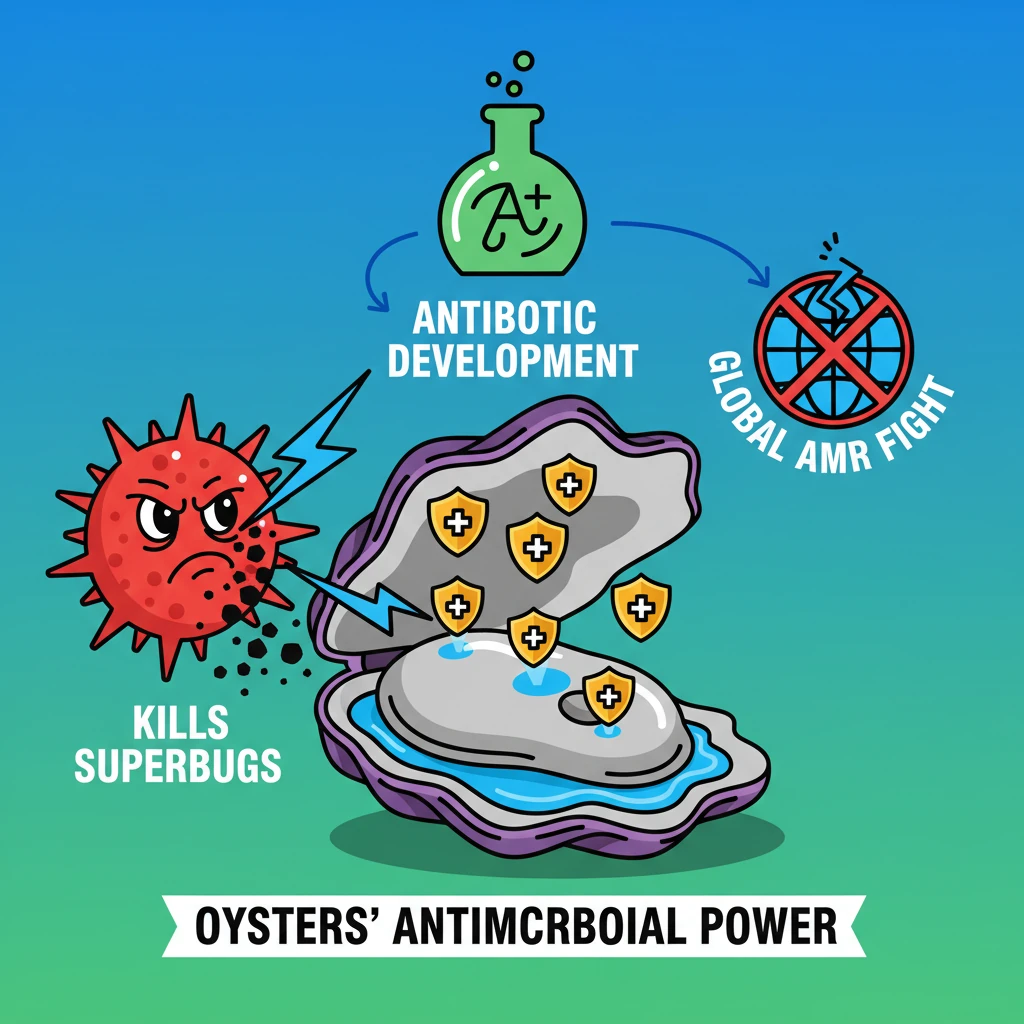
- •These proteins can kill drug-resistant bacteria (superbugs).
- •Discovery offers a new source for novel antibiotic development.
- •Relevant in the global fight against Antimicrobial Resistance (AMR).
- •Highlights the potential of marine bioprospecting for health solutions.
🧠 Memory Techniques
95% Verified Content
📚 Reference Sources
•General Scientific Literature on Antimicrobial Resistance and Marine Bioprospecting