Cameroon Adopts Nagoya Protocol - Environment And Ecology | UPSC Learning
Topics
0 topics • 0 completed
🔍
No topics match your search
Cameroon Adopts Nagoya Protocol
Medium⏱️ 10 min read
environment and ecology
📖 Introduction
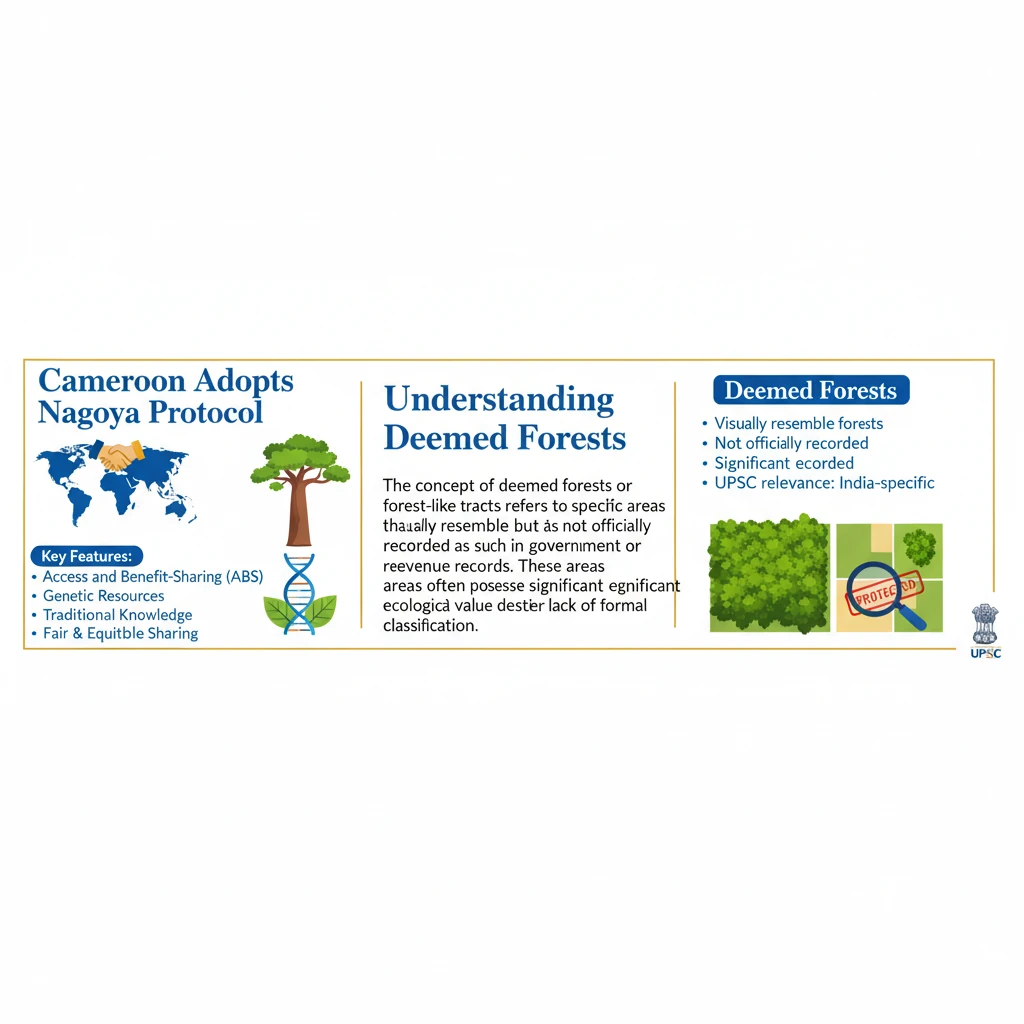
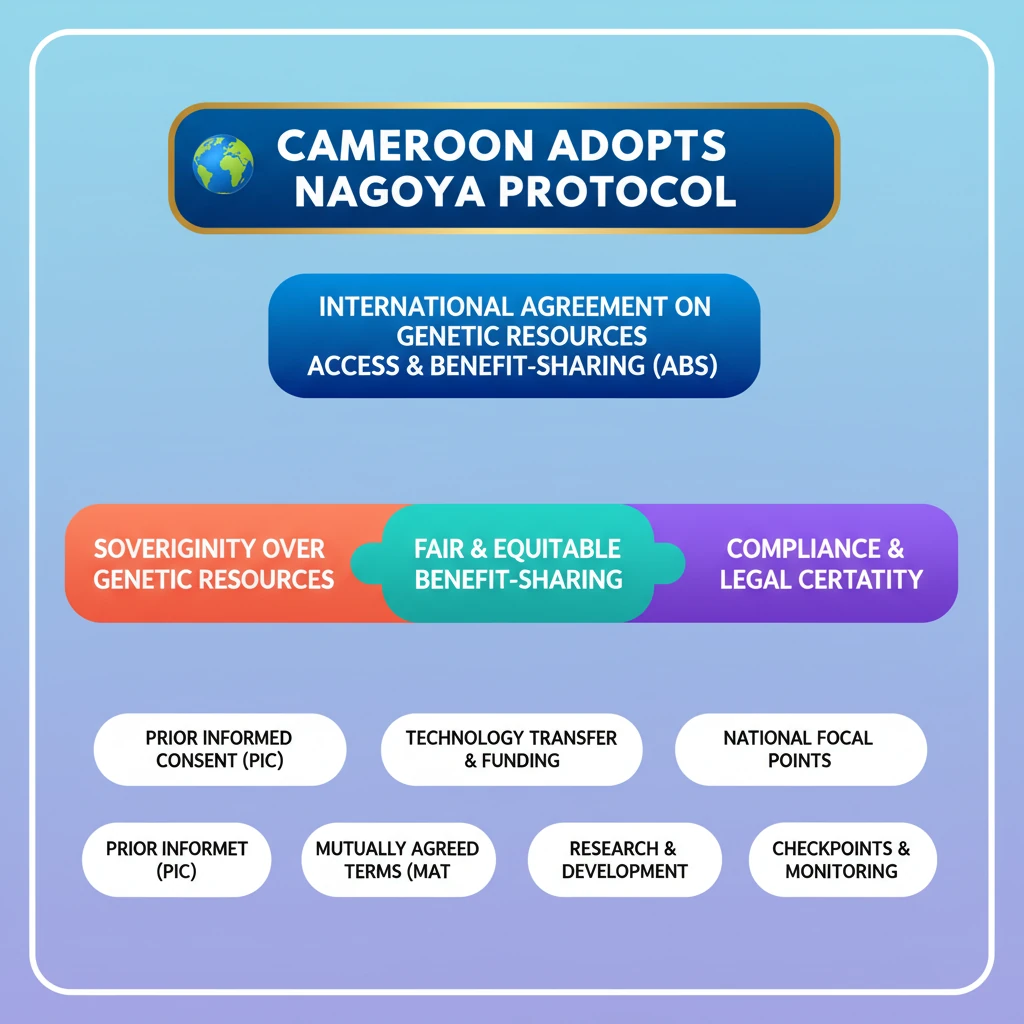
<h4>Understanding Deemed Forests</h4><p>The concept of <strong>deemed forests</strong> or <strong>forest-like tracts</strong> refers to specific areas that visually resemble forests but are not officially recorded as such in government or revenue records. These areas often possess significant ecological value despite their lack of formal classification.</p><div class='info-box'><p><strong>Deemed forests</strong> are tracts of land that exhibit characteristics of a forest but are not statutorily notified as a forest under any law, nor are they recorded as 'forest' in government land records.</p></div><h4>Concerns Regarding Varying Definitions of Forests</h4><p>A significant challenge in India's forest governance is the varying interpretations of what constitutes a 'forest' by different states. These definitions are often based on surveys and expert reports, leading to inconsistencies across the country.</p><p>For instance, states like <strong>Chhattisgarh</strong> and <strong>Madhya Pradesh</strong> typically base their definitions on criteria such as land size, tree density, and evidence of natural growth. In contrast, <strong>Goa</strong> relies on the coverage of specific forest species.</p><div class='key-point-box'><p>The diverse definitions of <strong>deemed forests</strong> have led to highly variable estimates, with these areas accounting for anywhere from <strong>1% to 28%</strong> of India's official forest area, highlighting a lack of uniform policy.</p></div><h4>Forest (Conservation) Amendment Act, 2023</h4><p>The recent <strong>Forest (Conservation) Amendment Act, 2023</strong> was introduced with the primary aim of bringing clarity and addressing the ambiguities surrounding the classification and management of <strong>deemed forests</strong>. It sought to streamline the regulatory framework.</p><p>The amendment specifically focused on defining the scope of <strong>forest land</strong> falling under the Act's purview and introduced exemptions for certain categories of land from its stringent provisions, intending to facilitate specific developmental projects.</p><ul><li><strong>Connectivity Projects:</strong> Exempts up to <strong>0.10 hectares</strong> of forest land for connectivity purposes along existing roads and railways.</li><li><strong>Security Infrastructure:</strong> Allows exemption for up to <strong>10 hectares</strong> of forest land for security-related infrastructure projects, crucial for national defense.</li><li><strong>Public Utility in LWE Areas:</strong> Permits exemption for up to <strong>5 hectares</strong> in <strong>Left Wing Extremism Affected Districts</strong> for public utility projects, aiming to boost development in these regions.</li></ul><h4>Supreme Court's Stance on Forest Governance</h4><p>Despite the recent amendment by the Centre, the <strong>Supreme Court's interim directive</strong> has maintained the traditional approach to forest governance. This means the existing, broader interpretation of forest land continues to apply, unaffected by the new exemptions.</p><div class='exam-tip-box'><p>The <strong>Supreme Court</strong> has also issued a significant ruling stating that the creation of <strong>zoos or safaris</strong> by any government or authority must receive its final approval. This underscores the judiciary's active role in environmental oversight.</p></div><h4>Cameroon Adopts Nagoya Protocol</h4><p><strong>Cameroon</strong>, a nation strategically located in <strong>central Africa</strong>, is renowned for its exceptional <strong>biodiversity</strong>. It serves as a crucial ecological hotspot on the continent, harboring a vast array of life forms.</p><div class='info-box'><p><strong>Cameroon</strong> boasts approximately <strong>11,000 species</strong> of plants, animals, and microorganisms, making it a country of immense ecological significance and a priority for conservation efforts.</p></div><p>The country has recently adopted the <strong>Nagoya Protocol</strong>, an international agreement related to <strong>Access and Benefit-Sharing (ABS)</strong> arising from the utilization of genetic resources. This adoption signifies Cameroon's commitment to sustainable biodiversity management and equitable sharing of benefits.</p>
💡 Key Takeaways
- •Deemed forests are forest-like areas not officially classified, with varying state definitions causing inconsistencies.
- •The Forest (Conservation) Amendment Act, 2023, aimed to clarify forest land scope and provide exemptions for specific projects.
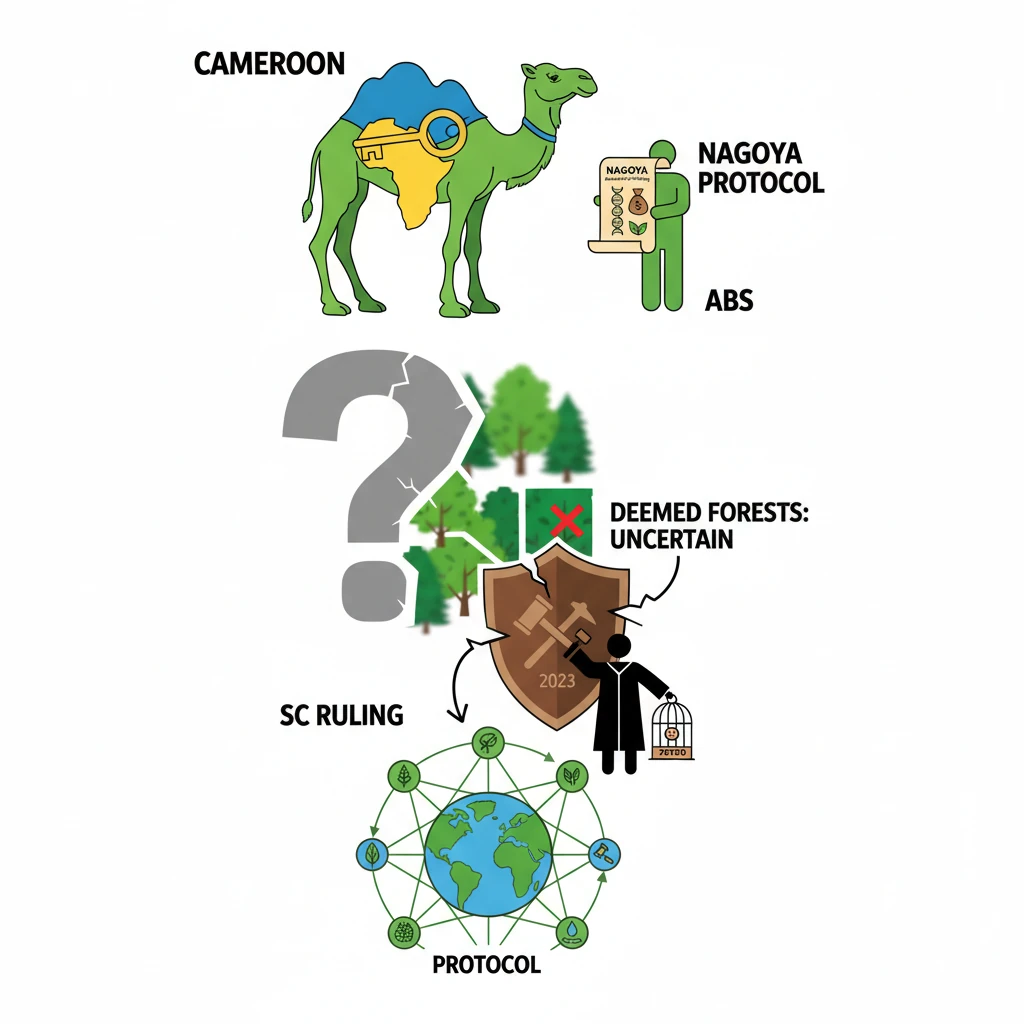
- •Supreme Court maintains a broad interpretation of 'forest' and requires its approval for zoos/safaris, overriding some amendment provisions.
- •Cameroon adopted the Nagoya Protocol, an international agreement on Access and Benefit-Sharing (ABS) of genetic resources.
- •The interplay of legislative amendments, judicial oversight, and international protocols shapes India's environmental governance.
🧠 Memory Techniques
95% Verified Content
📚 Reference Sources
•The Forest (Conservation) Amendment Act, 2023 - Official Gazette of India
•Supreme Court of India judgments on forest conservation (e.g., T.N. Godavarman Thirumulpad vs. Union of India, 1996)
•Convention on Biological Diversity (CBD) website - Information on Nagoya Protocol
•Ministry of Environment, Forest and Climate Change (MoEFCC), Government of India reports